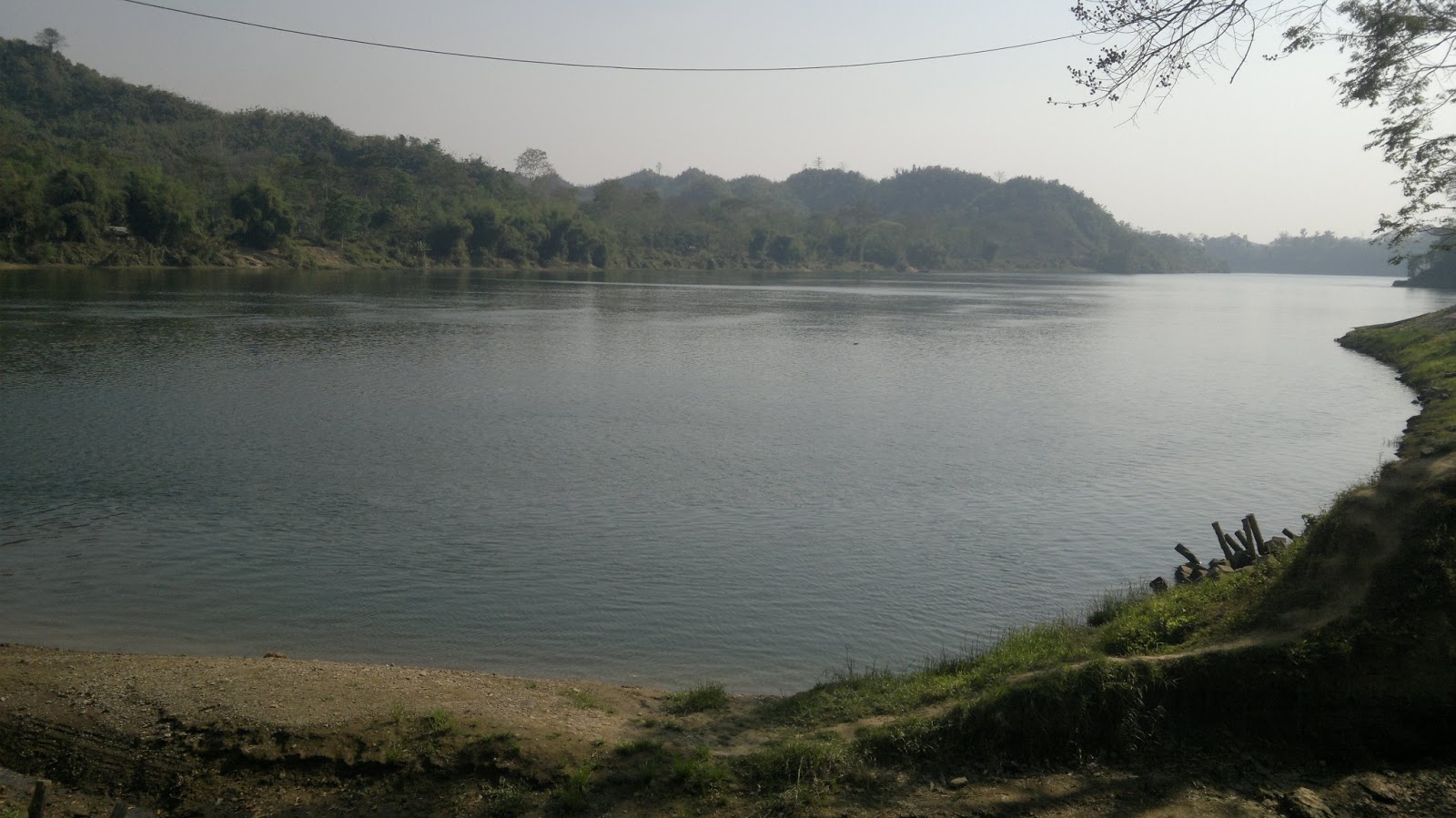
RFST :KAPTAI


Trip  to Reshom Bagan in Kaptai for survey data collection.

Kaptai  is an Upazila of Rangamati District in the Division of Chittagong, Bangladesh.


Trip  to kaptai for survey data collection.


haha..its my lecturer,Dr.Narayan 


my classmate Joyshree wedding..


BY LAKDHES

FRST OF CMC (52ND BATCH)


RFST PROGRAM OF COMMUNITY MEDICINE OF CMC 52ND BATCH GROUP G AND H
(Residential field side training) 


my college..chittagong medical college..


Chittagong medical college hospital's children ward's


instrument use for measure malnutrition children.


During the program,we went to an orphanage ..Aparajeyo-Bangladesh, protection of children at risck(PCAR) project at 16,station road ,city super complex,2nd floor ,chittagong..i don't wana describe how the suffer here..how much help the actually need here..even there are so many thing that they need here,there is no point i'm telling it here. Becasue i know no body will be so kind to help them.So,i think i dont have to describe about the condition..from the pictures you might know what actually they need.If there are few kind people out there,then please do help to improve their condition.if not,then its ok..i will do myself when i can.  


my friend sumrita ,collins and ruben bought food for them..thanx for their kind heart...


Caesarean section delivery

PHOTO BY SHARMA MENON ...


placenta....


THE BABY...:) 


great day and great experiences..thanks to chittagong medical college...!

by lakdhes...cmc student.


Benign prostatic hyperplasia

Benign prostatic hyperplasia 


Benign prostatic hyperplasia involves hyperplasia of prostatic stromal and epithelial cells, resulting in the formation of large, fairly discrete nodules in the periurethral region of the prostate. When sufficiently large, the nodules compress the urethral canal to cause partial, or sometimes virtually complete, obstruction of the urethra, which interferes with the normal flow of urine.Benign prostatic hyperplasia involves hyperplasia (an increase in the number of cells) rather than hypertrophy (a growth in the size of individual cells).

 Symptoms

 Symptoms of urinary hesitancy, frequent urination, dysuria (painful urination), increased risk of urinary tract infections, and urinary retention, urgency (compelling need to void that cannot be deferred), urgency incontinence, and voiding at night (nocturia).. Although prostate specific antigen levels may be elevated in these patients because of increased organ volume and inflammation due to urinary tract infections, BPH does not lead to cancer or increase the risk of cancer.Benign prostatic hyperplasia symptoms are classified as storage or voiding.


Voiding symptoms include urinary stream hesitancy (needing to wait for the stream to begin), intermittency (when the stream starts and stops intermittently), straining to void, and dribbling. Pain and dysuria are usually not present. These storage and voiding symptoms are evaluated using the International Prostate Symptom Score (IPSS) questionnaire, designed to assess the severity of BPH.BPH can be a progressive disease, especially if left untreated. Incomplete voiding results in stasis of bacteria in the bladder residue and an increased risk of urinary tract infection. Urinary bladder stones are formed from the crystallization of salts in the residual urine. Urinary retention, termed acute or chronic, is another form of progression. Acute urinary retention is the inability to void, while in chronic urinary retention the residual urinary volume gradually increases, and the bladder distends. This can result in bladder hypotonia. Some patients that suffer from chronic urinary retention may eventually progress to renal failure, a condition termed obstructive uropathy.


Coconut


The coconut palm, Cocos nucifera, is a member of the family Arecaceae (palm family). It is the only accepted species in the genus Cocos. The term coconut can refer to the entire coconut palm, the seed, or the fruit, which, botanically, is a drupe, not a nut.

Uses
Coconuts may help benign prostatic hyperplasia.In rats, virgin coconut oil reduced total cholesterol, triglycerides, phospholipids, LDL, and VLDL cholesterol levels and increased HDL cholesterol in serum and tissues.The hexane fraction of coconut peel may contain novel anticancer compounds.Young coconut juice has estrogen-like characteristics. Inside a coconut is a cavity filled with coconut water, which is sterile until opened. It mixes easily with blood, and was used during World War II in emergency transfusions. It can also serve as an emergency short-term intravenous hydration fluid. This is possible because the coconut water has a high level of sugar and other salts that makes it possible to be used in the bloodstream, much like the modern lactated Ringer solution or a dextrose/water solution as an intravenouus solution (IV). Coconut is also commonly used as a traditional remedy in Pakistan to treat bites from rats.The tea from the husk fiber is widely used to treat several inflammatory disorders.The leftover fiber from coconut oil and coconut milk production, coconut meal, is used as livestock feed. The dried calyx is used as fuel in wood-fired stoves. Coconut water is traditionally used as a growth supplement in plant tissue 
culture/micropropagation.

#Coconut can be a food allergen and coconut-derived products can cause contact dermatitis.

Cases Rejected By Other Clinics